
Temple Runner creates a journey style game where movement, risk, and reward feel tied to each step. GGBET gives players a clear way to review the path before pushing further into the challenge. The guide highlights how timing and cautious progression can shape a better session.
Temple Runner overview with clear game basics
Fast rounds work best when the game format feels easy to read from the first screen. This section explains the core layout, main actions, and reward flow without complicated terms. Players can use these basics before checking rules, symbols, and feature details later.
- Game concept: Temple Runner follows a path-based chase format where each forward move can raise the current return.
- Main action: players start a round, watch the runner move, then collect before a losing obstacle appears.
- Round speed: sessions usually move quickly, so each decision should match the visible stage and multiplier.
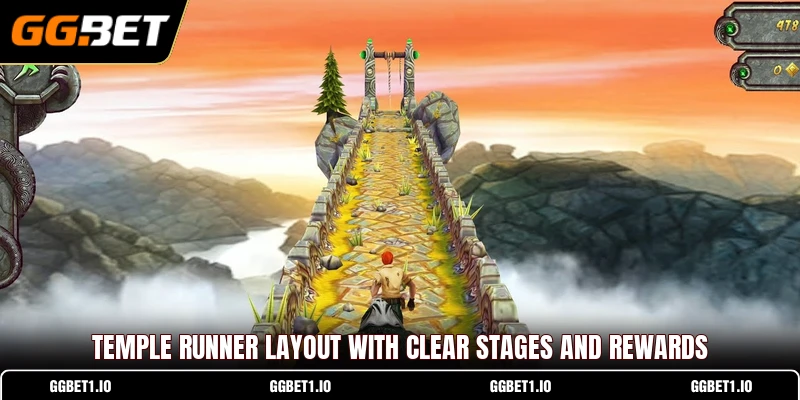
- Visual layout: paths, traps, reward markers, and character movement help players read each moment clearly.
- Reward display: the current value updates during movement, allowing players to see possible returns before collecting.
- Session access: GGBET lists the title inside the game section, where players can open it through a verified account.
- Device fit: the interface works best on updated browsers with stable internet and enough screen brightness.
- Learning curve: this game feels approachable because the main choice stays focused on timing and collection.
- Control check: players should confirm the stake amount, start button, and collect option before beginning a round.
- Collection focus: Game works best when players watch the current value closely and collect before movement becomes too risky.
- Screen readiness: stable loading, clear icons, and smooth button response help players avoid mistakes during faster rounds.
Round rules guide reward flow after each result
Each round in the game follows a progress-and-risk structure where every safe movement can raise the displayed value, while one obstacle can stop the run before the player collects. This simple pattern makes the game easier to read because the result is not based on complicated stages, but on the visible path, the current value, and the exact point where the player decides to collect or continues moving.
How each run moves forward
A round begins when the player chooses a stake and confirms the start button in Temple Runner, then the runner starts moving through a temple-style path with the value changing after each safe step. The sequence stays active as long as the movement remains safe, and the round only closes when the player collects successfully or when the runner reaches a stopping obstacle before that action.
How symbols guide each decision in Temple Runner
The screen uses different visual markers to help players separate safe sections, danger points, bonus icons, and value changes during the run. Safe areas usually allow the runner to keep moving, while hazard symbols can end the round instantly, so careful reading of these markers gives players a clearer basis for deciding whether to collect or continue.
How payouts are confirmed
Payouts in Temple Runner are usually calculated from the selected stake and the value shown at the moment the player confirms collection. If the runner fails before that point, the round normally ends without a return from the stake, which makes timing important because a longer run may show higher value but also carries a greater chance of stopping suddenly.
How special paths change the round
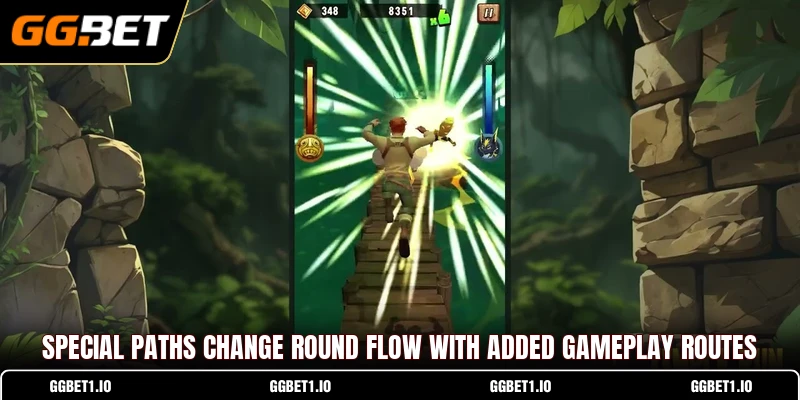
Bonus events in Temple Runner may appear through hidden paths, extra movement, temporary value boosts, or special symbols that change the normal rhythm of the round. These features can make each run feel more varied, but players should still read the information panel before starting because bonus rules, symbol effects, and payout conditions may differ between game versions.
View more: Dragon Runner Blends Speed With Fantasy Reel Action
Why collection timing matters during progress
Collection timing affects how each round is controlled because the displayed value can keep rising while the runner continues moving through the path. Players need to balance the appeal of a higher possible return with the risk of reaching an obstacle before confirming collection, so each decision should follow the active screen rather than a fixed habit.
Access and controls for smoother play
Opening Temple Runner should feel direct, but players still need to follow the correct route from the account area and wait until the full game window loads before starting. This part focuses on practical access, button placement, screen reading, and basic handling checks so players can avoid rushed actions when the round begins moving quickly.
Where the game can be opened
Players can usually find Temple Runner through the game search bar, the main lobby, a featured category, or a recently played section depending on the account layout. After selecting the title, the screen should load stake settings, start controls, collection options, information icons, and round details, so players should wait for all visible areas to appear before confirming any action.
What to check before starting
The main control area often includes stake adjustment, start, collect, paytable, symbol guide, and recent result history in one compact screen layout. Checking these parts before the first round helps players understand where each button is placed, what each icon means, and how quickly they may need to react once the runner begins moving across the path.
How timing supports cleaner choices
Timing in Temple Runner should come from the active movement on screen rather than from the previous result or an assumed repeat pattern. Players can observe several lower-stake rounds first to understand how the value rises, how obstacles appear across different moments, and how quickly the collect button needs attention during a live sequence.
What to do when the screen reacts slowly
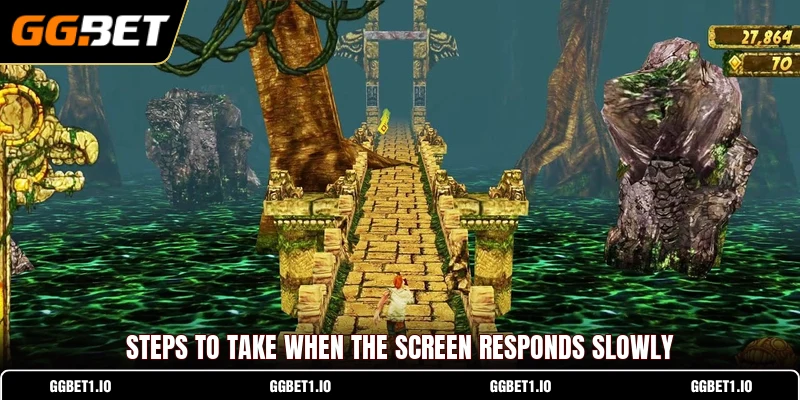
Some browser sessions may show delayed animation, frozen buttons, missing sound effects, incomplete graphics, or a slow response from the collect control. Closing extra tabs, updating the browser, checking the connection, and waiting until the interface responds normally can help players avoid starting a round when the display is not stable enough for clean input.
View more Category: Arcade
Conclusion
Temple Runner becomes more satisfying when every step feels planned instead of accidental. GGBET helps players track the game path, possible rewards, and stopping points with better awareness. Move at your own pace, avoid unnecessary risks, and may your next run carry strong forward momentum.